
Thermal Lifecycle
Molecular fusion process transforming clay into permanent ceramic through controlled high-temperature firing
Molecular Fusion Chamber
PROC-2026-001The firing process represents the critical transformation phase where clay molecules reorganize and bond at elevated temperatures. This thermal lifecycle involves multiple stages, each contributing to the final material properties.
We approach the kiln not as a simple heating device, but as a controlled environment where material transformation occurs at the molecular level. Temperature gradients, atmosphere composition, and firing duration all influence the final characteristics of each piece.
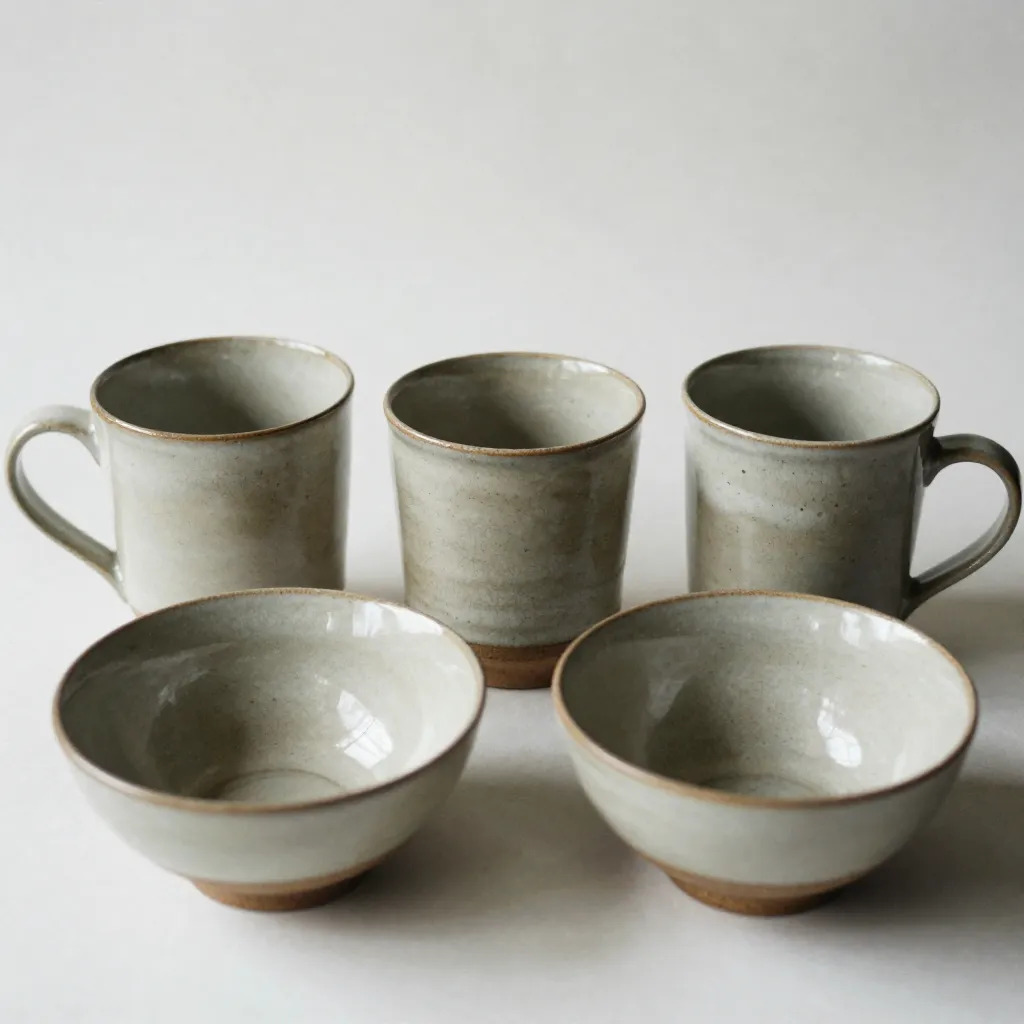
Firing Progression
STAGE-001Initial Heating
Gradual temperature increase removes physical water and organic compounds from the clay body. This phase requires controlled ramp rates to prevent cracking.
Chemical Decomposition
At intermediate temperatures, structural water and carbon compounds are driven off. The clay body begins to densify and shrink.
Vitrification
At peak temperatures around 1200°C, glass-forming materials begin to melt and flow. Clay particles fuse together, creating a permanent ceramic structure.
Cooling Phase
Controlled cooling allows the ceramic structure to stabilize. Thermal contraction must be managed to prevent stress fractures in the material.
Infrared Visualization
VISUAL-001
High-temperature firing creates conditions where clay particles undergo structural changes. At elevated temperatures, materials begin to vitrify, forming a unified ceramic matrix.
The molecular structure of clay transforms during firing. Silica, alumina, and flux materials interact to create glassy phases that bond particles together, resulting in the durable ceramic material we recognize.
Temperature control and firing duration directly influence the final characteristics of each piece, including color development, surface texture, and structural integrity.
Process Monitoring
QUALITY-001Throughout the firing process, kiln conditions are monitored to ensure consistent results. Temperature profiles, atmosphere composition, and firing cycles are documented for each batch.
Each firing creates unique conditions that influence the final appearance and properties of the ceramic pieces. Understanding these variables allows for controlled variation while maintaining functional consistency.
Post-firing inspection verifies structural integrity, surface quality, and dimensional accuracy. Items that meet our standards proceed to final finishing and quality verification.

Technical Parameters
TECH-001Temperature Range
Bisque firing typically occurs around 900-1000°C, while glaze firing reaches approximately 1200°C to achieve full vitrification.
Firing Duration
Complete firing cycles including heating, soaking, and cooling typically span 12-24 hours depending on kiln load and desired results.
Atmosphere Control
Oxidation firing in electric kilns provides consistent, controlled conditions suitable for most glaze and body combinations.