Tableware Synchrony
Understanding visual volume and plate layering for cohesive table settings
Plate-Layering Concepts
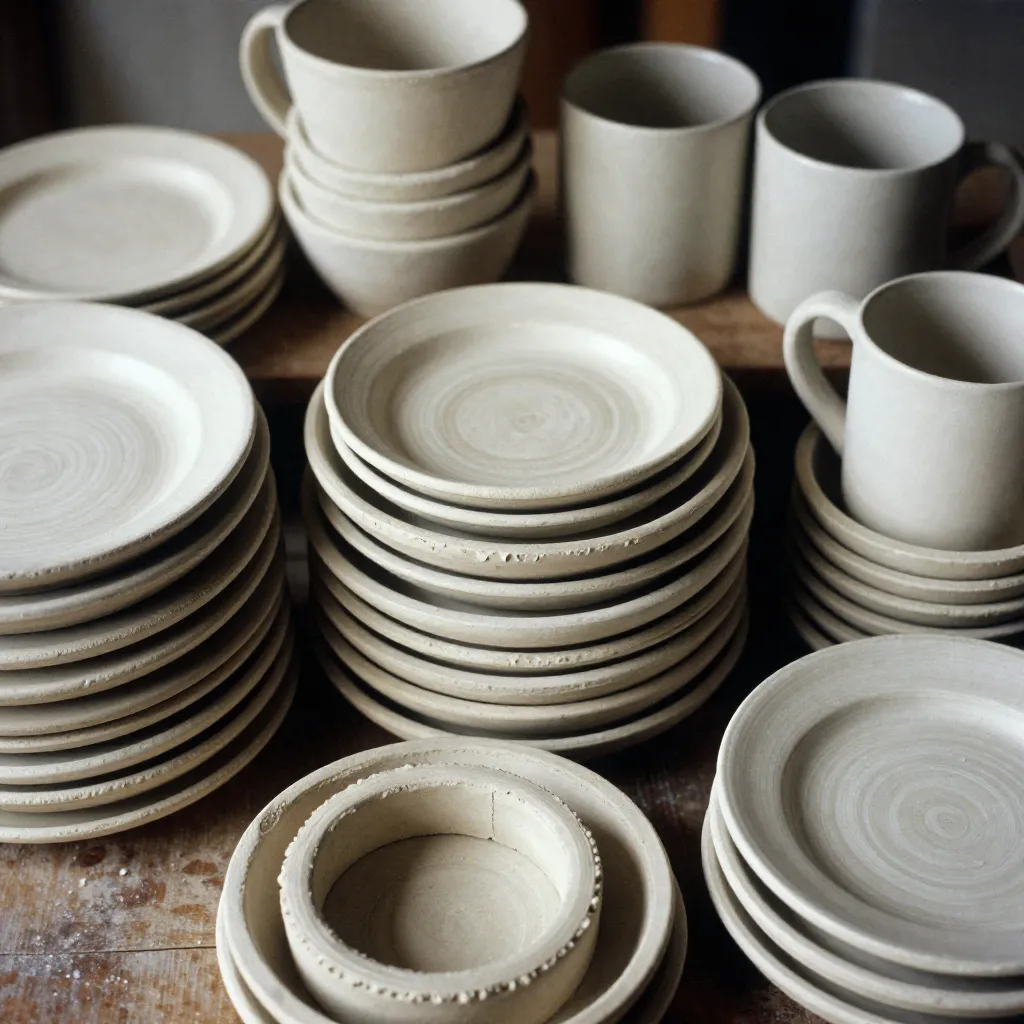
STYLE-2026-001Creating cohesive table settings involves understanding how different pieces interact visually and functionally. The concept of visual volume helps determine how bowls, plates, and other items work together in three-dimensional space.
Plate layering involves considering the relationship between base plates, dinner plates, and serving pieces. Each element contributes to the overall visual rhythm and functional capability of the table setting.
Visual Volume Analysis
VOLUME-001Height Relationships
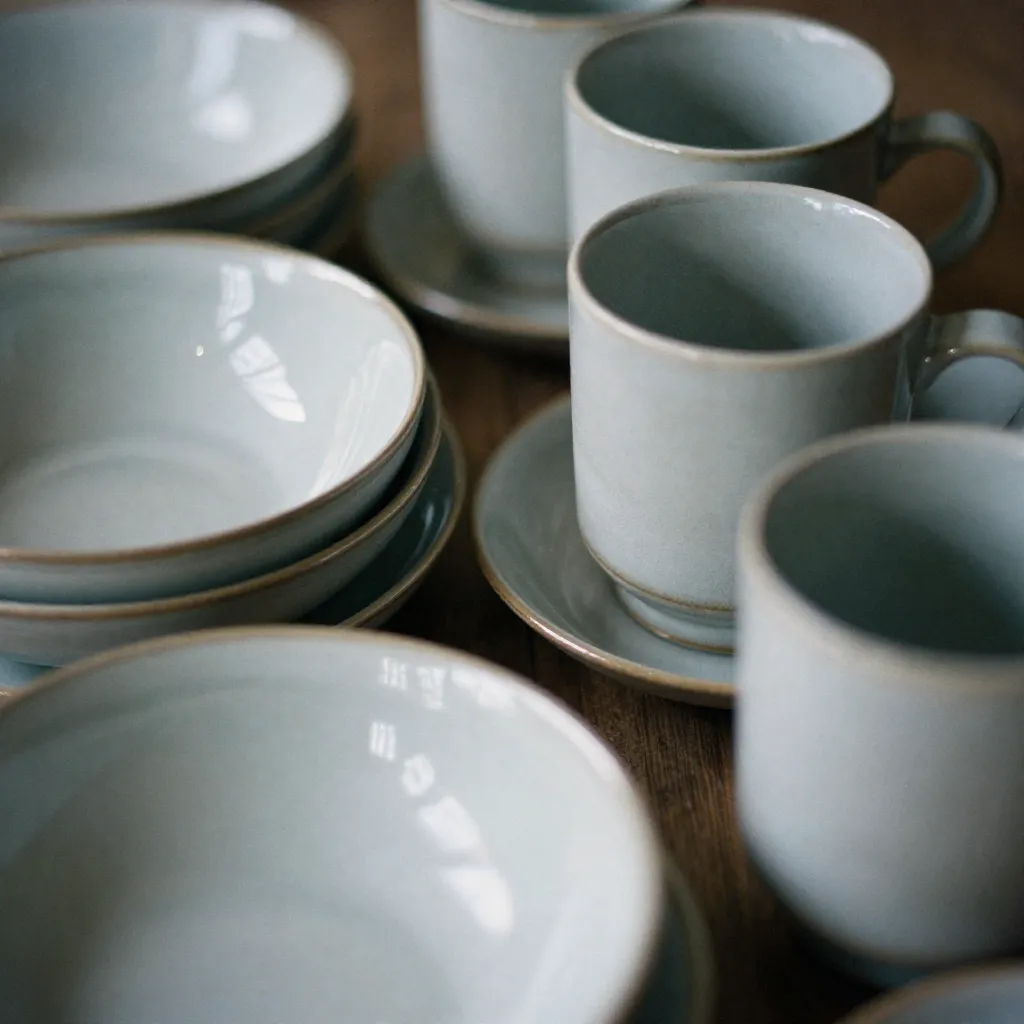
The vertical stacking of bowls on plates creates visual interest while maintaining practical accessibility. Height variation adds dimension to table settings.
Diameter Proportions
Plate and bowl diameters should complement each other. Layered pieces create visual rhythm when proportions follow consistent relationships.
Edge Interaction
Rim shapes and edge profiles influence how pieces sit together. Matching or contrasting edge treatments create different visual effects.
Surface Texture Balance
Combining smooth and textured surfaces creates visual contrast. Balanced texture variation adds depth without overwhelming the composition.
Personal Landscape Design
LANDSCAPE-001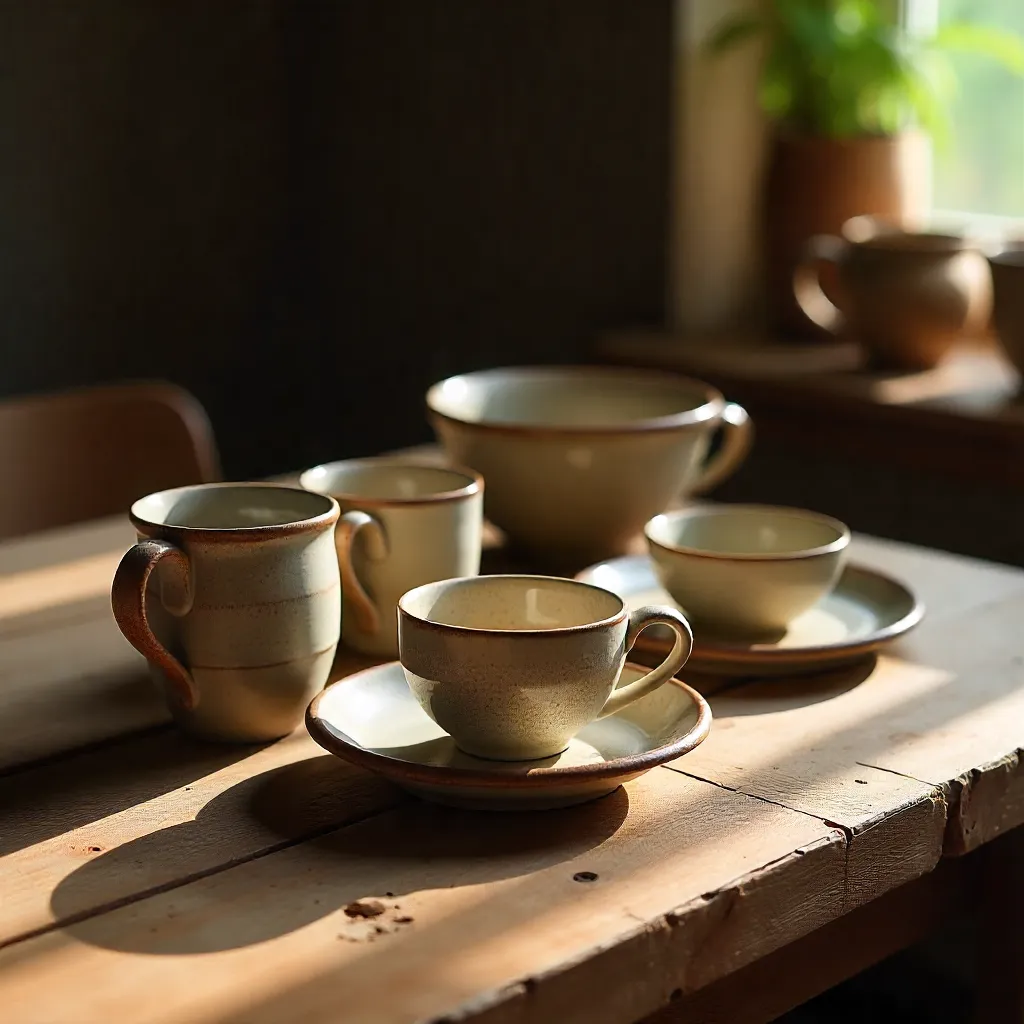
Each table setting can be understood as a personal landscape where ceramic pieces interact to create functional and aesthetic arrangements. Understanding visual volume helps build cohesive compositions.
When selecting pieces for a table setting, consider how their silhouettes interact. The relationship between base plates, dinner plates, bowls, and serving pieces contributes to the overall visual harmony.
Practical considerations include ensuring adequate space between pieces, maintaining accessibility for use, and creating arrangements that support both visual appeal and functional requirements.
Styling Principles
PRINCIPLES-001Balance
Distribute visual weight evenly across the table setting. Large and small pieces should work together to create visual equilibrium.
Proportion
Maintain consistent proportional relationships between pieces. Items should feel related in scale while providing functional variation.
Contrast
Use texture, form, and surface finish to create visual interest. Contrasting elements highlight individual pieces while maintaining overall unity.
Practical considerations include ensuring adequate space between pieces, maintaining accessibility for use, and creating arrangements that support both visual appeal and functional requirements.
Each table setting represents an opportunity to create a cohesive composition that reflects personal preferences while maintaining functional practicality. Understanding these principles helps in making informed selections.
Styling Applications
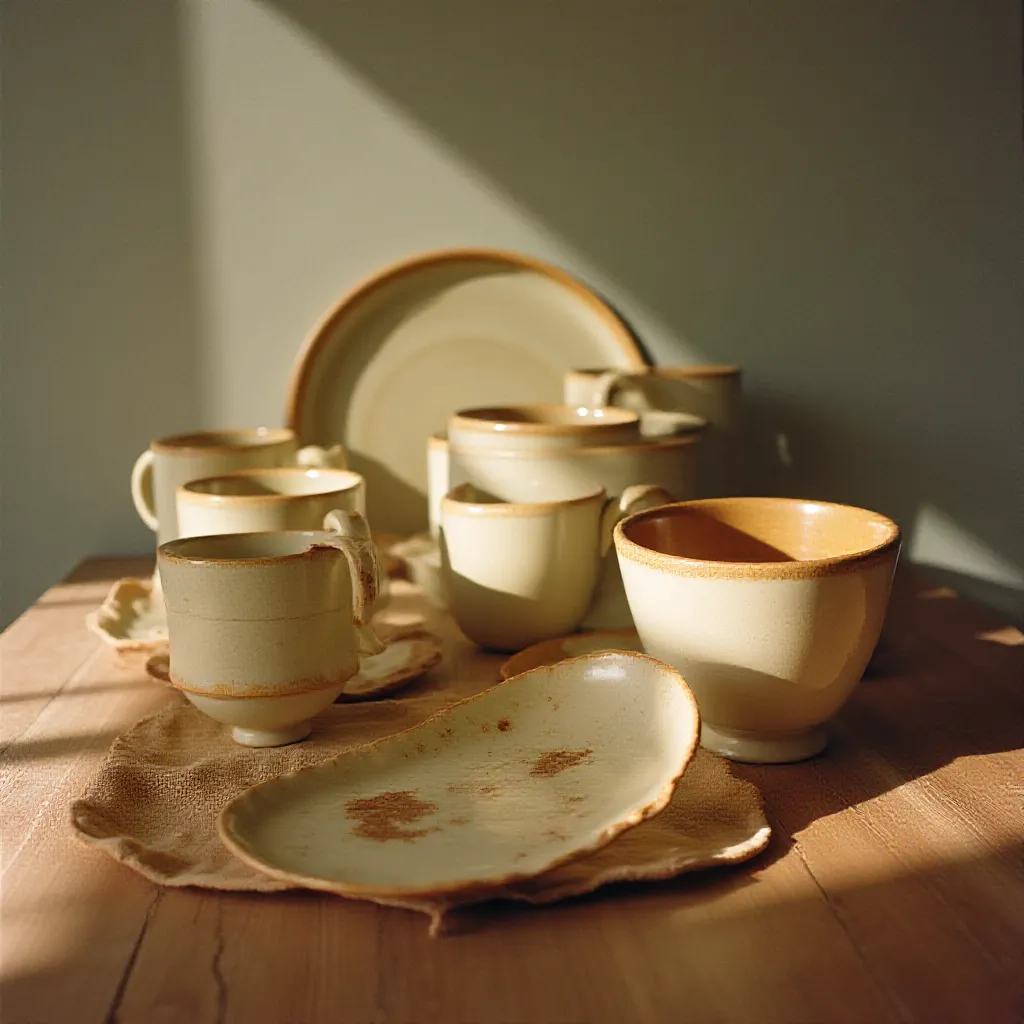
APPLY-001Consider how different combinations create different effects. A smooth dinner plate paired with a textured bowl creates visual contrast, while matching surface treatments create unified compositions.
Functional layering—such as placing a soup bowl on a base plate—combines practicality with visual interest. The base plate catches any drips while adding dimension to the setting.